
How to Mix Concrete by Hand: Easy Guide to DIY Concrete Mixing in 2026
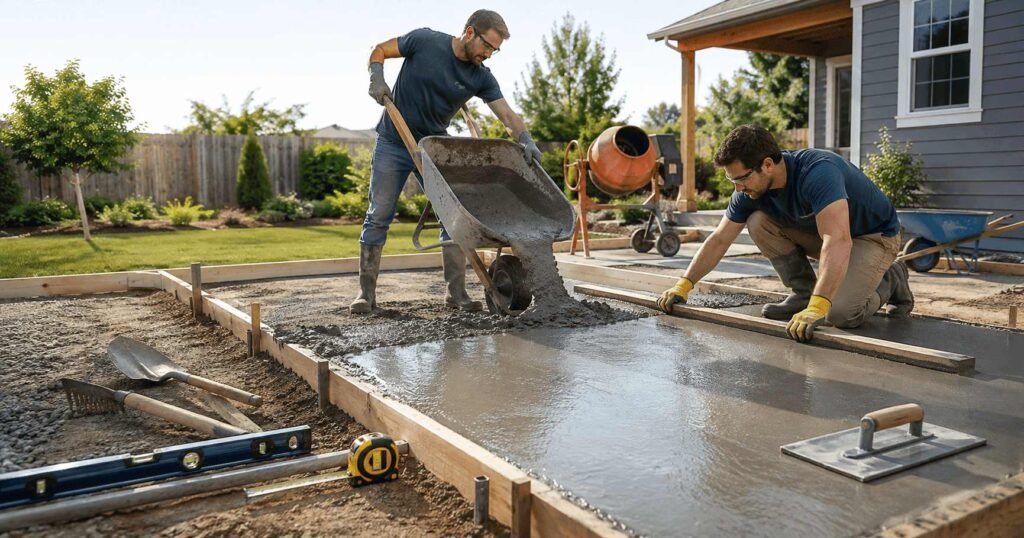
Have you ever wondered how to mix concrete by hand for a strong and long-lasting result? Yes, hand mixing concrete is an effective method for small DIY projects when done correctly. By mixing cement, sand, gravel, and water in the right proportions, you can create strong, durable concrete. The key is to mix the dry materials thoroughly first, then add water gradually to achieve the proper consistency without making the mix too wet.
It is made by combining four basic materials: cement, sand, gravel, and water. Hand mixing is a cost-effective choice because it does not require expensive equipment. So, achieving the correct mix is essential. The materials must be mixed thoroughly, and the right amount of water should be added to ensure the concrete is strong, durable, and easy to work with. You’ll learn how to mix concrete by hand step by step, along with the tools, proper mixing techniques, and expert tips to achieve the best results.
What Is Concrete
Concrete is a strong construction material made by combining four basic ingredients: cement, sand, gravel, and water. It is widely used in buildings, concrete slabs, columns, and other large construction projects because of its strength and durability. Many people confuse cement with concrete, but they are different. Cement is only one ingredient of concrete and works as a binding material that holds sand and gravel together.
Concrete becomes stronger over time through a process called curing. During this process, keeping the concrete moist, especially during the first seven days, helps it gain strength. Although concrete continues to develop strength for around 28 days, proper curing makes it hard, durable, and capable of lasting for many years.
When Should You Mix Concrete by Hand
Hand mixing concrete is mostly suitable for small DIY and repair projects where using a large concrete mixer is not practical. It helps save money and does not require expensive equipment, making it a convenient choice for small-scale work. So, following the correct mixing steps is important to achieve strong and durable results. Hand-mixed concrete is commonly used for projects such as small slabs, garden paths, fence posts, decorative planters, and minor repair work like fixing damaged floors or surfaces.
These projects usually do not require large amounts of concrete, so mixing by hand can be a simple and effective solution. Before mixing, make sure all ingredients are available, including cement, sand, gravel, and water. Once mixed, the concrete should be used within around 15–20 minutes because it starts setting and becomes difficult to work with after that.
Tools and Materials You’ll Need
If you have information about how to mix concrete by hand, we need different tools and materials to make the mixing process easier and better.
Tools
The first tool is a wheelbarrow. It is used to carry materials from one place to another, such as cement, sand, gravel, and other materials that are needed for concrete mixing. Next, we use a mixing tray. It is a flat or metal tray where we mix all the ingredients together. It is important to use a dry place for mixing so that the materials can combine properly. A hoe and shovel are also used for mixing.
They help us turn the materials and mix them with each other. A measuring bucket is used to measure gravel and water properly because the correct measurement of materials is important for a good concrete mix. Safety tools are also necessary. Gloves should be worn because cement can harm the skin. Safety glasses protect the eyes from cement dust and particles, while a dust mask helps protect from dust and allergies.
Materials
The main materials used in concrete mixing are cement, sand, gravel, and water. Cement is a powder form material and a part of concrete that helps join the other materials together. Sand is used to fill the gaps between materials. Gravel helps make the concrete strong.
Choosing the Right Concrete Mix
Choosing the right concrete mix is an important step when preparing to build a concrete slab and knowledge of how to mix concrete by hand. There are two common options: ready mix bags and dry concrete mix. Ready mix bags are pre-packed bags that already contain the three main ingredients cement, sand, and gravel mixed in the correct proportion. They are usually more expensive, but they make the work easier and are a good choice for small projects. They also reduce the chances of mistakes because the mixture is already prepared.
On the other hand, dry concrete mix requires you to mix cement, sand, and gravel yourself according to the required ratio. It needs more effort and careful steps, but it is more affordable compared to ready mix bags. For beginners, ready mix bags are the best option because they are simple and convenient for first-time users. You only need to add the right amount of water and mix it before use.
Step-by-Step: How to Mix Concrete by Hand
Step 1: Prepare Your Workspace
Before starting the concrete mixing process, the first step is to prepare your workspace properly. Choose a clean and dry place where you can easily mix the dry materials without any disturbance. Make sure all necessary tools and safety equipment are available near you. you should have the knowledge of how to mix concrete by hand.
Keep items like gloves, a mask, and a cap ready to protect yourself during the mixing process. Having all tools and safety items nearby will make the work easier and help you complete the mixing process smoothly.
Step 2: Measure the Materials
The second important step is to measure all the materials correctly before mixing. You should check the required amount of each material and maintain the proper ratio to get a balanced concrete mixture. A common mixing ratio is 1:2:4, which means one bucket of cement, two buckets of sand, and four buckets of gravel. Measuring these materials carefully helps create a strong and suitable concrete mix. You should also keep a bucket of water nearby, but do not add water at this stage. First, prepare and measure all dry materials properly.
Step 3: Dry Mix First
After measuring the materials, the next step is to mix all dry materials together. Combine cement, sand, and gravel properly before adding any water. It is the main step that how to mix concrete by hand. Mix these three materials together two or three times so that they are evenly combined. Continue mixing until the color of the mixture becomes uniform and all materials look properly blended. A good dry mix creates a better base for adding water later and helps produce a more consistent concrete mixture.
Step 4: Create a Crater
Once the dry materials are mixed properly, the next step is to create a crater in the middle of the mixture. A crater means making a small hole or space in the center of the dry mixture. This space helps you add water gradually and makes the mixing process easier. Creating a small crater in the middle allows the water to spread through the mixture more effectively when you start adding it.
Step 5: Add Water Gradually
After creating the crater, start adding water slowly into the mixture. Do not pour all the water at once because it can affect the balance of the concrete mix. Add a small amount of water gradually and keep mixing at the same time. The goal is to add enough water so that all materials combine properly while keeping the right consistency.
Step 6: Mix Until Uniform
Continue mixing the concrete until all materials are completely combined. The mixture should not have any dry areas left, and the water should be mixed evenly throughout the concrete. Keep mixing until the concrete becomes smooth and all ingredients look properly blended together.
Step 7: Check the Consistency
After mixing, check the consistency of the concrete before using it. The concrete should not be too thin and watery, and it should not be too thick either. You can check it by lifting the concrete with the help of a shovel. The mixture should have a normal consistency where it can hold its shape but is still easy to handle. Maintaining the right consistency helps make the concrete easier to use and work with.
Step 8: Use the Concrete Before It Starts Setting
The final step is to use the concrete mixture before it starts setting. Once the concrete is prepared, it should be used within around 15 to 20 minutes. If you leave the mixture for too long, it can start becoming hard and may turn into a solid mass. After that, it becomes difficult or impossible to use properly. Therefore, prepare the concrete only when you are ready to use it and complete the work before the mixture starts setting. Now steps completed to how to mix concrete by hand.
How to Know the Concrete Is Mixed Correctly
Knowing if you have mixed concrete by hand correctly is essential before placing or pouring it.. The first thing to check is the consistency of the concrete. It should have a thick and slightly sticky texture, similar to soft porridge. It should not be too watery or too dry. Another sign of a good concrete mix is that it should maintain its shape.
When you lift it with the help of a shovel, it should hold its form and not lose its shape easily. Make sure there are no dry pockets left inside the mixture. The overall color of the concrete should also be even, with no different areas visible. A properly mixed concrete should be easy to handle and spread smoothly with a shovel when preparing a slab. it is possible with knowing how to mix concrete by hand
Common Mistakes to Avoid
1. Adding Too Much Water
These some common mistake when not knowing how to mix concrete by hand. One common mistake people make is adding too much water to the concrete mixture. Excess water makes the mixture too thin and weak. After setting, the concrete may start breaking and it does not remain strong enough for proper use.
2. Using Too Little Water
Using very little water is also a problem. When there is not enough water, the materials do not mix properly. Many dry parts can remain inside the mixture, which affects the quality of the concrete.
3. Mixing Too Quickly
Concrete should not be mixed too quickly. Take your time and mix the materials properly. If the mixing process is rushed, some materials may remain dry and the mixture will not become uniform.
4. Not Wearing PPE
Safety equipment should not be ignored while mixing concrete. Always use protective items like gloves, safety glasses, and a mask. These safety items help protect you during the work.
5. Waiting Too Long Before Pouring
Do not prepare more concrete than you can use. The mixture should be used within around 15 to 20 minutes because after that it starts setting and can develop problems like cracking.
6. Mixing Too Much Concrete at Once
Making too much concrete at one time can create problems. Using an unbalanced amount of gravel can affect the mixture and increase the chances of cracks. Prepare only the amount needed for your work.
Safety Tips When Mixing Concrete
- Wear Gloves: Always wear gloves while mixing concrete because cement can damage your hands. It can make the skin dry and may cause irritation, which can lead to hand problems.
- Use Eye Protection: Wear safety glasses to protect your eyes. Cement and gravel particles can splash during mixing and may cause eye problems if they enter the eyes.
- Wear a Dust Mask: A dust mask should be used while working with concrete because cement dust can enter your mouth and affect your lungs.
- Avoid Skin Contact: Try to avoid direct contact between cement and your skin. If cement stays on the skin, it can cause damage and irritation.
- Clean Tools Immediately: Clean your tools and equipment after finishing the work. If cement remains on the tools for a long time, it can become hard like stone and may damage the tools.
Expert Tips for Better Results
- Measure Water Accurately: Always add the correct amount of water to the concrete mixture. Using too much or too little water can make the concrete weak and reduce its strength.
- Mix for Consistent Time: Mix the materials properly for enough time so that the mixture becomes uniform. Prepare only the amount that you can use within 15 to 20 minutes.
- Work in Small Batches: Make small batches of concrete and use them on time. This helps prevent the mixture from setting and becoming hard like stone.
- Follow Bag Instructions: For ready-made mix bags, always follow the instructions written on the bag, especially the required water amount or use our concrete calculator.
- Avoid Mixing in Extreme Weather: Do not mix concrete in very hot or very cold weather because it can affect the setting process.
Hand Mixing vs Machine Mixing (Table)
| Hand Mixing | Machine Mixing |
| Knowing how to mix concrete by hand is a budget-friendly option because it costs less and doesn’t require expensive equipment. | If you do not know how to mix concrete by hand, Machine mixing costs more because you need a concrete mixer, making it a higher-budget option. |
| It is the best choice for small concrete projects, such as patios, pathways, or small slabs. | It is ideal for large concrete projects where a bigger amount of concrete is needed. |
| This method requires more physical effort, as all the mixing is done by hand. | It requires much less physical effort because the machine does most of the mixing. |
| Although it takes more time, it works well for small jobs with a limited budget. | It is much faster, saves time, and helps complete large projects more efficiently. |
Frequently Asked Questions
Q: Can I mix concrete without a wheelbarrow?
For small concrete projects, you can mix concrete by hand without using a wheelbarrow.
Q: How much water should I add?
For normal concrete mixing, use water in the correct proportion instead of adding too much or too little. If you are mixing a smaller batch, adjust the amount of water according to the quantity of materials.
Q: How long should I mix concrete?
Concrete should be mixed until all the dry materials are fully combined and no dry patches remain.
Q: Can I reuse leftover concrete?
Mixed concrete should ideally be used within 15–20 minutes. If it is left unused for too long, it starts to set and becomes difficult to work with.
Conclusion
Mixing concrete by hand using the dry method is a simple and practical option for beginners when the correct process is followed. As I explained how to mix concrete by hand, using the right ingredients in accurate proportions and following each step carefully helps create a strong and durable concrete mix.
Measuring materials accurately also helps reduce waste and saves both time and money. Most importantly, maintaining the right concrete consistency is essential because it directly affects the strength, workability, and final finish of the mix. By following these best practices, you can confidently mix concrete by hand and achieve reliable, professional-looking results.